Projects

M.S.

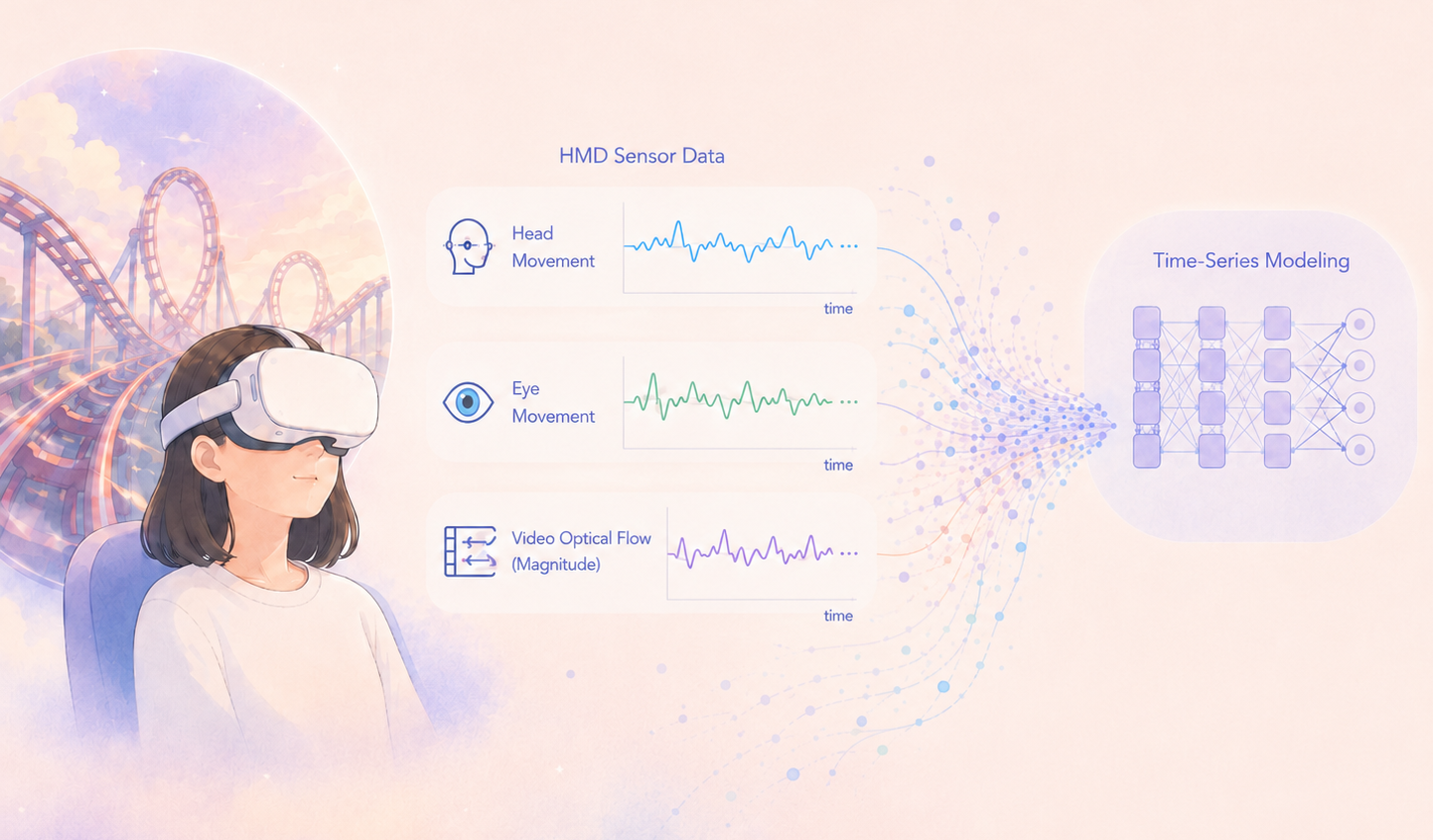
VR sickness prediction project overview

VR Sickness Prediction Based on Time-Series Forecasting

To enhance the VR user experience, it is important to predict VR sickness before it occurs and develop techniques to mitigate it. In this project, I developed VR sickness prediction models using head-mounted display (HMD) sensor data, such as eye movements, head movements, and video optical flow, based on time-series forecasting and LLMs.

VR-based digital therapeutics project overview

Development and Data Analysis of VR-Based DTx for Depression

We developed a VR-based digital therapeutics (DTx) for depression based on clinical evidence (i.e., acceptance and commitment therapy (ACT)), and evaluated its clinical feasibility. Through a user study, we objectively demonstrated the clinical effectivenss of this system by analyzing sensor data from VR and wearable devices.

B.S.

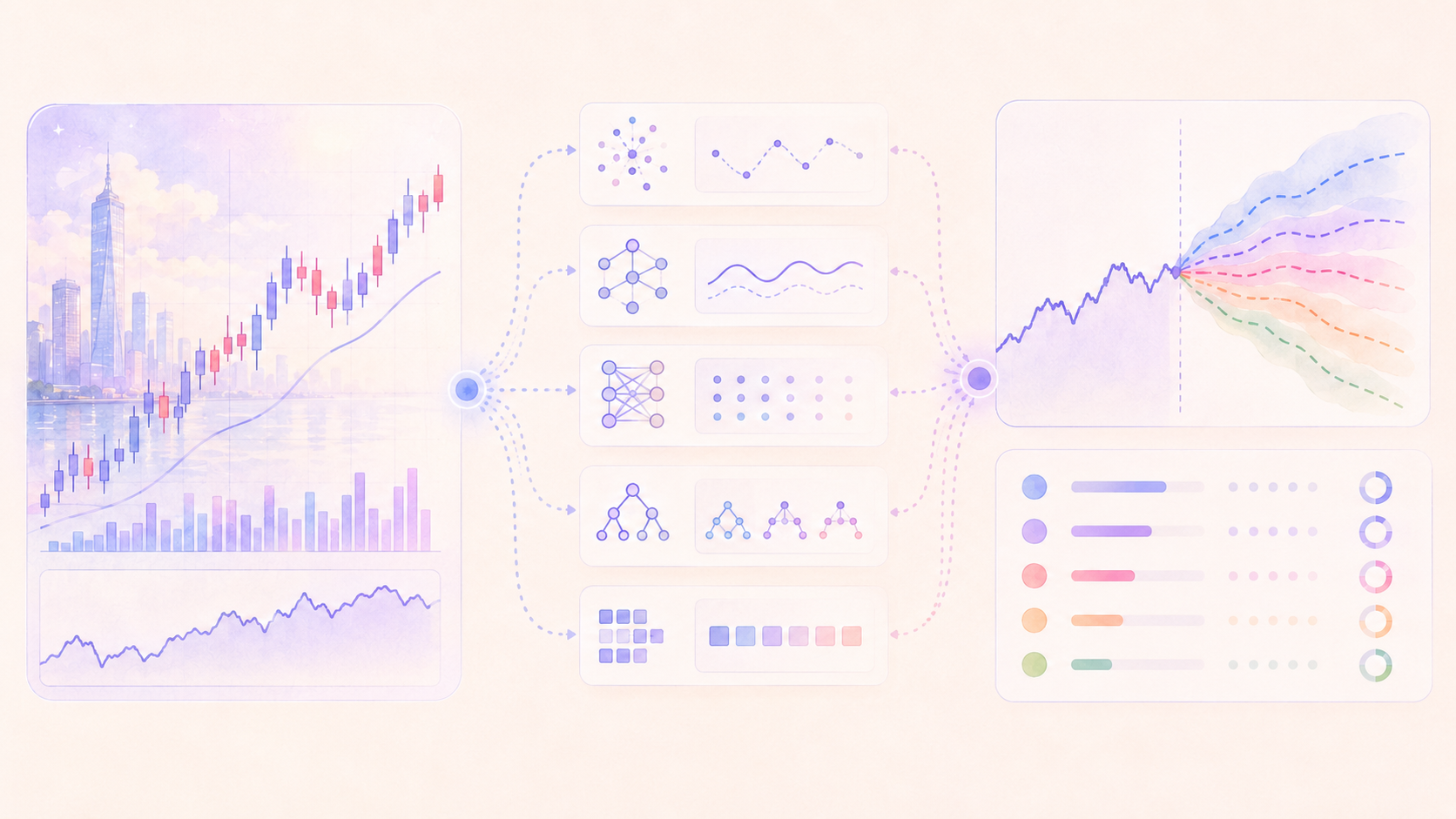
Stock price prediction project overview

Stock Price Prediction Using Time-Series Forecasting Models

This graduation project used S&P stock price data to build time-series forecasting models, and compare their predictive performance. Through this project, I deepened my understanding of time-series forecasting models, which later served as a foundation for sensor-based time-series prediction research during master's program.

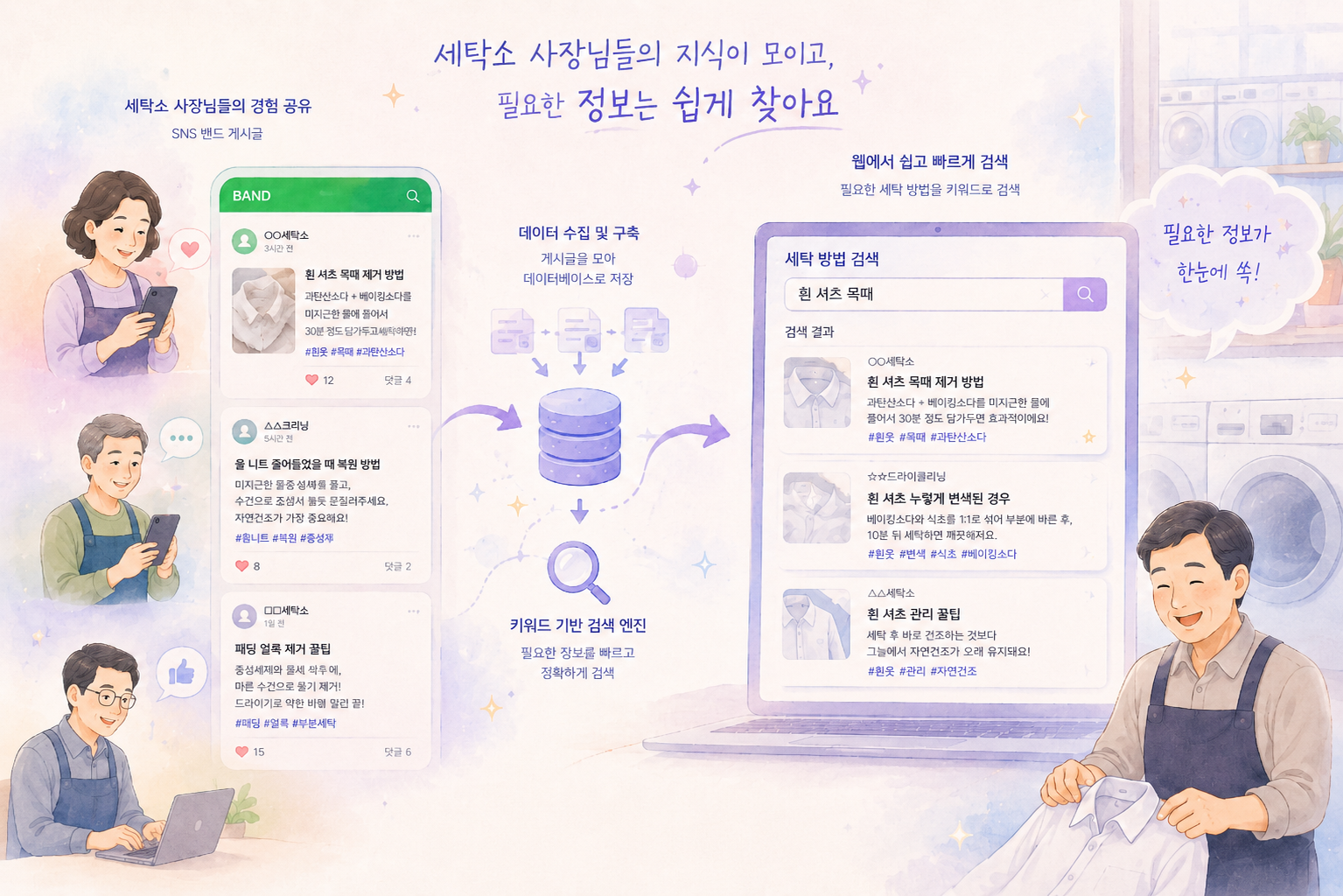
Keyword-based laundry knowledge search engine project overview

Development of a Laundry Method Search Engine

In this team project, we developed a website that laundry shop owners can search for laundry methods shared within their community. I built a database and designed its schema using data from social network (i.e., BAND) posts, and designed an intuitive UI considering the age group and usability needs of the main users.

GitHub

Internship

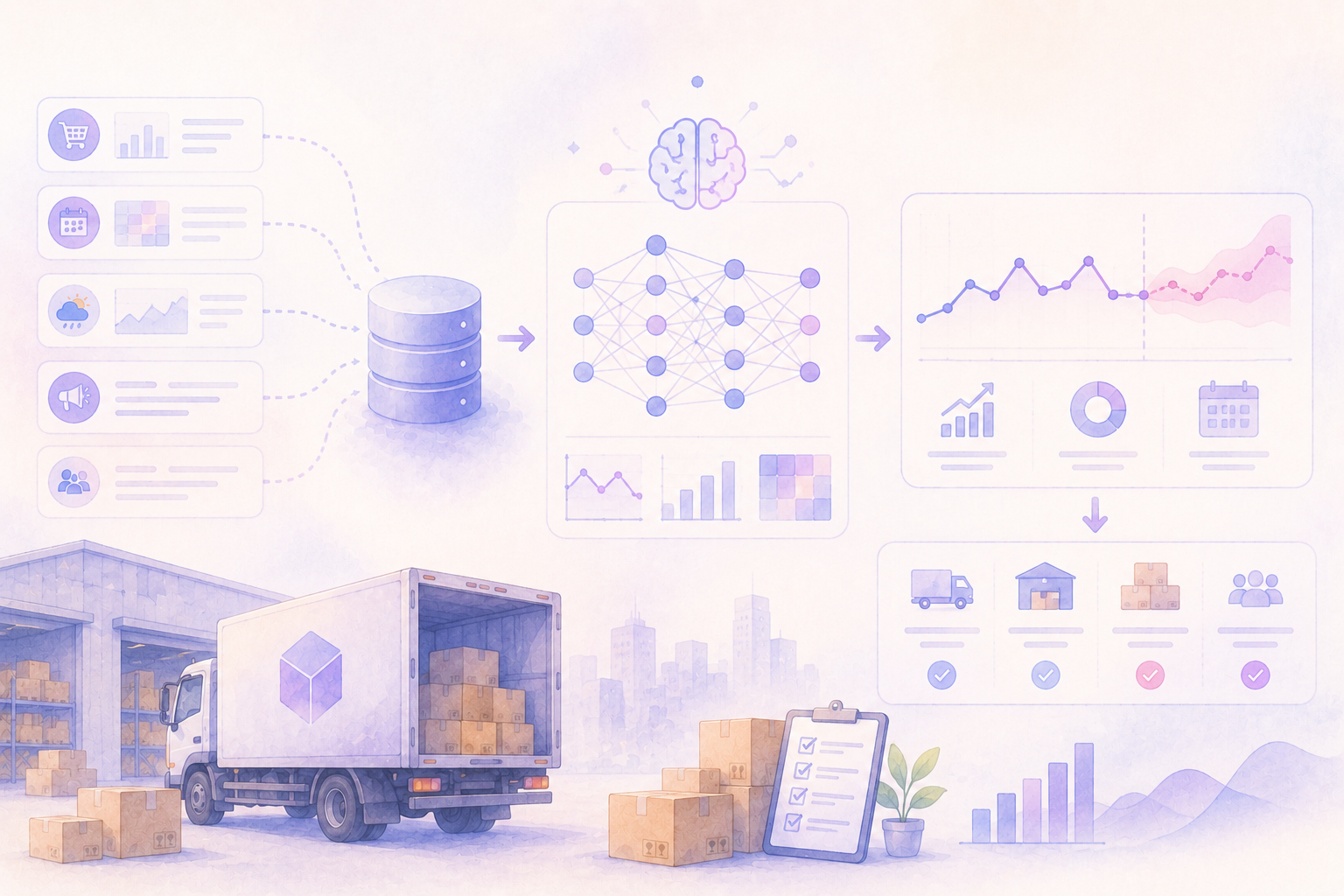
Parcel delivery demand forecasting project overview

[CJ Logistics] Development of a Parcel Delivery Demand Forecasting Model

To more precisely predict parcel delivery demand, I developed time-series forecasting and tabular deep learning models that incorporate external contextual factors, improving performance compared to the existing in-house model. I also implemented an AI agent-based XAI demo to help non-AI experts understand the prediction results.